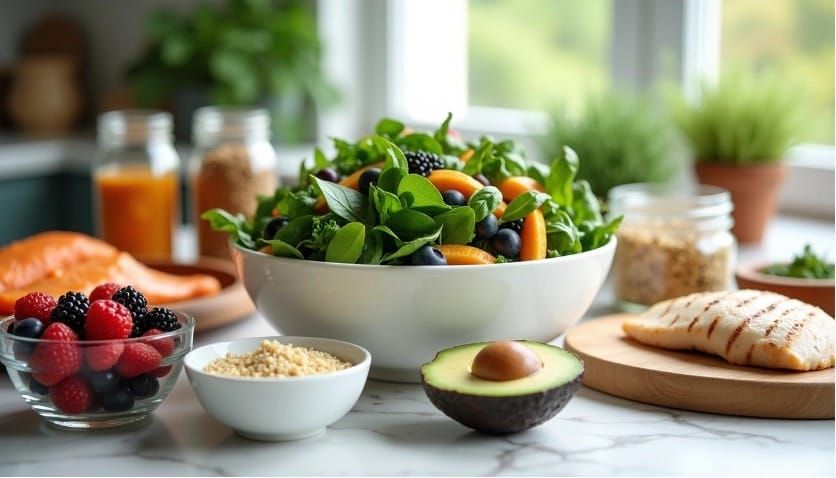
Tired of trying fad diets that promise quick results but leave you hungry and unsatisfied? Clean foods could be the long-term weight loss answer you’ve been looking for.
Your body receives essential nutrients while supporting weight management goals when you eat whole, unprocessed foods that are minimally refined . These weight loss foods fill your body with plenty of vitamins and minerals, high-quality protein, and healthy fats that boost your energy levels while improving heart and brain health .
Clean eating provides a genuine approach to a nutritious diet based on fruits, vegetables, beans, and whole grains, unlike restrictive diets . Leafy greens contain fiber and nutrients that help you stay satisfied and hydrated . Cruciferous vegetables make excellent choices because they pack fiber while staying low in calories . On top of that, some foods like potatoes rank high on the Satiety Index, which means they keep you feeling full longer .
Want to change your eating habits? This piece explores 15 clean foods that can help you lose weight in 2025 while keeping people fed and boosting your overall health.
Leafy Greens
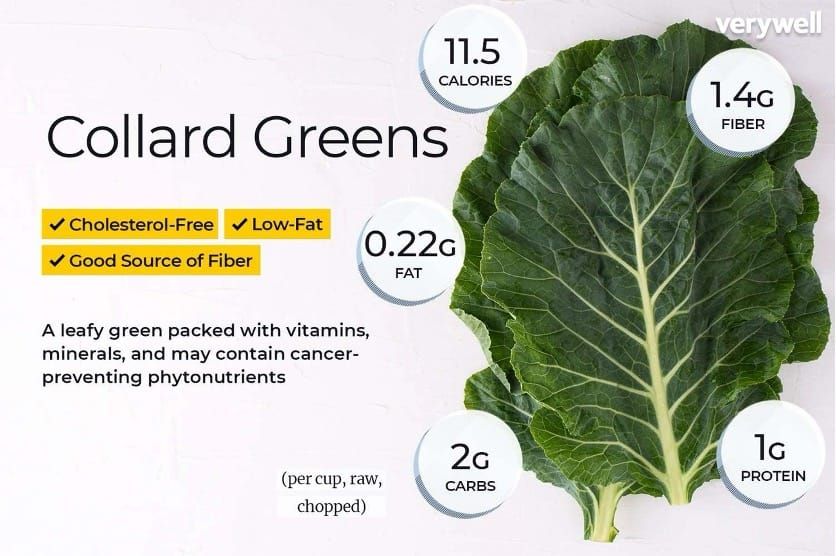
Leafy greens are powerful additions to any weight management plan. These nutrient-dense vegetables deliver exceptional nutritional value while keeping calories low.
Leafy Greens nutritional benefits
Your body needs the amazing nutrients that leafy greens provide. A three-cup serving of spinach gives you , 28% for vitamin C, and 47% for vitamin A over 300% of the Daily Value for vitamin K[1]. These greens also pack vital minerals like calcium, potassium, iron, and magnesium [2].
Kale stands out with its impressive nutrient profile. It contains vitamins A, B, C, E, and K along with minerals like calcium, iron, and zinc . Swiss chard packs high amounts of vitamins A and C. Just 175 grams meets your daily vitamin K needs [2]. These greens also contain powerful antioxidants that help reduce your risk of heart disease and certain cancers [3].
Leafy Greens and weight loss
We discovered the weight loss benefits of leafy greens through their unique makeup. Spinach contains 91% water and provides just 20 calories, 2 grams of fiber, and 2.5 grams of protein per three-cup serving [1]. Research shows each daily serving of spinach leads to weight loss of 0.52 pounds over four years [1].
Leafy greens contain thylakoids – plant compounds that help control appetite [4]. The fiber in these vegetables keeps you feeling full longer while keeping calories minimal [2].
Best ways to eat Leafy Greens
You can easily add leafy greens to your daily meals:
- Morning boost – Mix spinach into smoothies, scrambled eggs, or breakfast sandwiches [5]
- Midday meals – Make hearty salads with mixed greens or use collard leaves instead of tortillas for wraps [5]
- Dinner options – Sauté Swiss chard with garlic in olive oil as a side dish or add kale to soups and stews [6]
Raw leafy greens preserve their polyphenols and flavonoids [2]. You should eat four to five servings daily to get the most health benefits [2].
Berries
Berries are nature’s perfect weight loss companions. They combine great taste with powerful nutrients that help you reach your health and weight goals.
Berries nutritional benefits
These small, colorful fruits pack amazing nutritional value. A cup of raspberries contains 8 grams of fiber with just 64 calories [7]. Blackberries give you similar benefits with 7 grams of fiber and only 60 calories per cup [5]. You’ll find 3.6 grams of fiber in a cup of blueberries, plus 24% of your daily vitamin K needs [8]. Strawberries beat oranges as vitamin C champions [5].
These fruits are loaded with antioxidants that fight inflammation and oxidative stress. Blueberries shine with their anthocyanins content, which might protect your heart and brain health [8]. Blackberries have an impressive ORAC score of 5,905, which shows their strong antioxidant properties [7].
Berries and weight loss
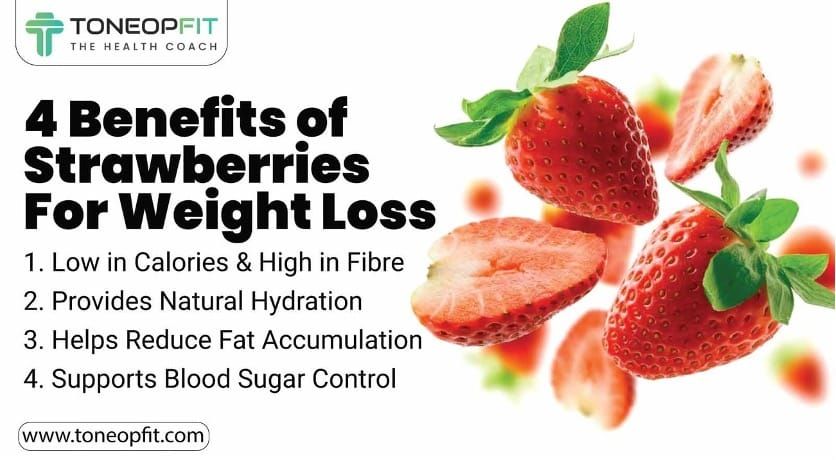
Berries’ unique makeup makes them perfect for weight loss. They contain pectin, a soluble fiber that keeps you full and helps reduce cholesterol [9]. This fiber also helps maintain steady blood sugar levels and prevents the energy dips that make you reach for unhealthy snacks [10].
The water content in berries is remarkable – strawberries are 92% water, blueberries 84%, and raspberries 85%. This high water content helps you feel satisfied while eating fewer calories [10]. Their low glycemic index helps prevent insulin spikes that can lead to fat storage [10].
Research shows that blueberries might change how our bodies handle fat and sugar, and they could affect genes involved in fat-burning and storage [10]. A study found that eating blueberries daily for two weeks helped people burn more fat during moderate exercise [10].
Best ways to eat Berries
You can add these healthy fruits to your diet in several tasty ways:
- Mix them into protein-rich smoothies with leafy greens for a complete breakfast
- Add them to Greek yogurt for a protein-packed, filling snack
- Toss them in salads with spinach or kale (strawberries work great with leafy greens)
- Create naturally flavored water by adding fresh berries
- Add them to oatmeal or whole grain breakfast bowls for lasting energy
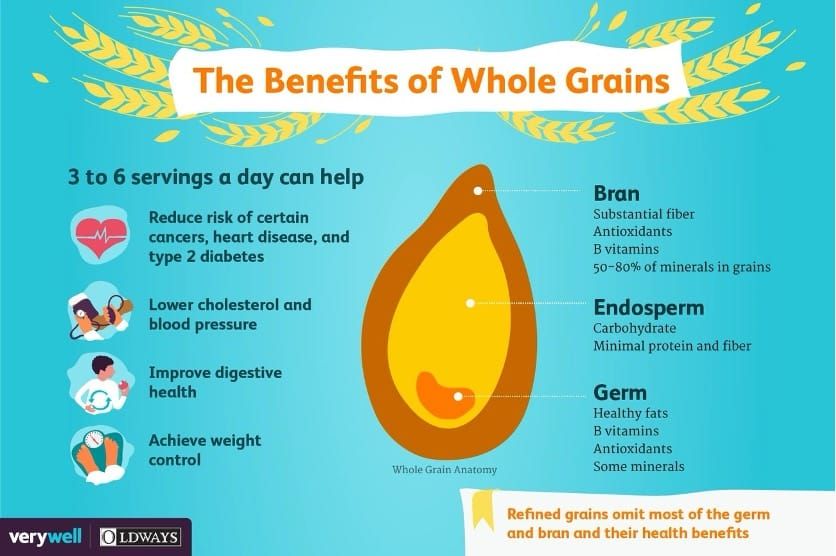
Whole grains are the life-blood of clean eating. They provide great nutritional benefits and help with weight loss at the time they’re part of a balanced diet.
Whole Grains nutritional benefits
Whole grains keep all three vital parts—bran, germ, and endosperm—which makes them different from refined grains [2]. The bran layer is rich in fiber and gives you B vitamins, iron, copper, zinc, and magnesium. You’ll also find antioxidants and phytochemicals in it [11]. The germ contains healthy fats, vitamin E, and extra B vitamins [11].
Each type of whole grain gives you something special. Oats have beta-glucans that bring down cholesterol and boost your immune system [8]. Barley packs an amazing amount of fiber—, which is 60% of what adults need daily one cup of whole barley flour provides 14.9 grams[2]. Quinoa and amaranth are special because they have all nine essential amino acids [8]. Millet gives you magnesium, manganese, zinc, and potassium [2].
Whole Grains and weight loss
Fiber makes whole grains great for managing weight. These grains have fewer calories per serving because their energy is harder to digest [10]. You need to chew them more, which makes you feel fuller faster [10].
The soluble fibers in whole grains trigger gut hormones that control blood sugar and energy [10]. These fibers also create barriers in your intestines that slow down how fast you absorb glucose and fatty acids, which means less fat storage [10]. Studies show that eating lots of whole grains can reduce your body weight, BMI, and waist size by a lot [12].
Research suggests that if you keep taking them at least three times daily, you might see less belly fat and a lower body mass index [13]. Whole grains help control your hunger because their complex carbs give you steady energy without making your blood sugar jump up and down [12].
Best ways to eat Whole Grains
Here’s how you can add these weight-loss friendly foods to your daily meals:
- Switch white rice with brown rice, or try quinoa, bulgur, or farro [12]
- Pick steel-cut oats instead of processed cereals to get more fiber and protein [12]
- Add barley to your soups and stews for better texture and nutrition [11]
- Use whole-grain versions of bread, bagels, tortillas, and rolls [2]
- Try cooking with ancient grains like amaranth, millet, or teff in your side dishes and salads [11]
Adults should aim for at least six one-ounce servings of grains daily, with whole grains making up half of that [8]. By doing this, you’ll manage your weight better because you’ll feel fuller and get balanced nutrition.
Chicken Breast
Chicken breast stands as a protein powerhouse and remains essential for clean eating plans. It packs exceptional nutritional value while keeping calories and fat minimal compared to other protein sources.
Lean Chicken Breast nutritional benefits
A single 3-ounce (85-gram) serving of chicken breast packs an impressive with just 122 calories and 3 grams of fat 24 grams of protein[5]. This protein-rich food contains zero carbohydrates [5], which makes it perfect for many dietary approaches. The micronutrient content shines through as well – you’ll get 51% of your daily niacin (vitamin B3) needs and 36% of your daily selenium requirements [5].
The B vitamin profile goes beyond niacin. You’ll find 16% of your daily vitamin B6, 10% of vitamin B12, and 9% of riboflavin [5]. These B vitamins play key roles in brain health, DNA synthesis, and energy production [5]. The mineral content adds more value with phosphorus (17% DV), zinc (7% DV), and potassium (5% DV) [5].
Lean Chicken Breast and weight loss
Chicken breast helps with weight management through several ways. We found its high protein content helps you feel fuller longer, which can reduce overall calorie intake [5]. The protein also helps preserve muscle during weight loss, keeping your metabolic rate higher [9].
The exceptionally low saturated fat content—just 1 gram per 3.5-ounce serving—makes chicken breast stand out [5]. You can create a calorie deficit by switching from higher-fat proteins to chicken without losing nutritional benefits [14]. The protein quality matters too – chicken provides all essential amino acids your body needs for tissue repair and immune function [5].
Best ways to cook Lean Chicken Breast
Your cooking method can make or break both flavor and health benefits. Skip the frying pan and try these healthier techniques instead:
- High-heat baking: Cook at 450°F for about 20 minutes with medium-sized (8 oz) breasts or 30 minutes for larger pieces [15]. This method gives you juicier results than longer cooking at lower temperatures [15].
- Grilling: Creates smoky flavor without added fat while keeping moisture locked in [9].
- Poaching: Gentle simmering in water or broth keeps the meat tender without extra oils [9].
- Steaming: Keeps nutrients and moisture intact without any added fat [9].
The best results come from cooking chicken breast to an internal temperature of 165°F [16]. You might want to pull it off the heat around 162°F and let it rest – the temperature will keep rising as the juices redistribute [16].
Fish
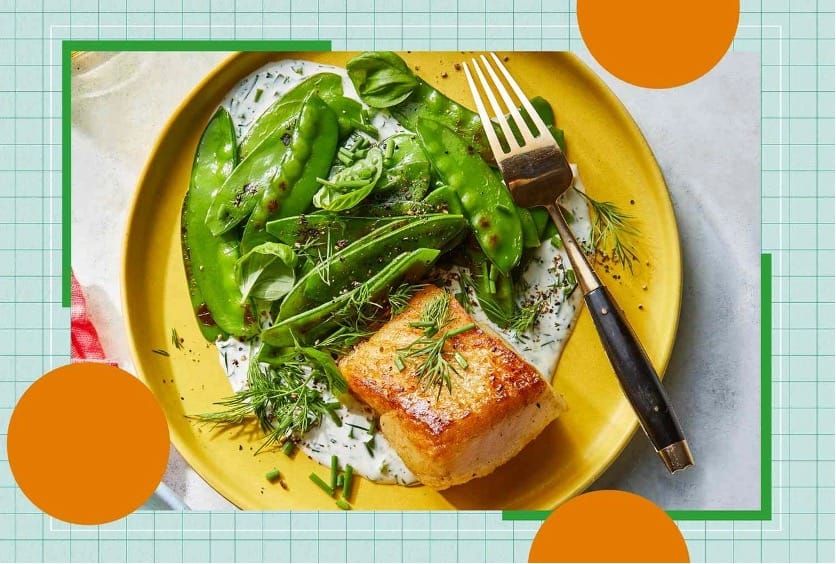
Image Source: EatingWell
Fish is a powerful addition to your clean eating plan that helps manage weight and boost overall health. You won’t find many foods that pack the same health benefits as this protein-rich option.
Fish nutritional benefits
Fish packs high-quality protein with great biological value, giving you 15-25 grams in each 3.5-ounce serving[7]. What makes fish special is its impressive mix of nutrients. The omega-3 fatty acids (EPA and DHA) support your heart and brain health [17]. Fish also gives you vitamin D, vitamin B12, selenium, and iodine—nutrients most people don’t get enough of [18]. A 4-ounce portion meets about 20% of your daily magnesium needs [19].
Fish and weight loss
Fish protein is what makes it so effective for weight management. Your body uses 20-30% of protein calories just to digest it—this is called the thermic effect of food [7]. The protein in fish boosts satiety hormones like peptide YY and GLP-1, which tell your brain you’re full [7]. Research shows that adding fish to a calorie-restricted diet helped people lose an extra 1.7 kg compared to those who didn’t eat fish [19].
Best fish for clean eating
These fish options give you the most protein and omega-3s for weight management:
- Salmon – Packs 20g protein per 3.5oz serving with high omega-3s (1.8g) [7]
- Sardines – Tops the charts with 25g protein and 1.4g omega-3s [7]
- Mackerel – Gives you budget-friendly omega-3s (2.6g per serving) [7]
- Cod – Brings lean protein (18g) with few calories (82 per serving) [7]
Try to eat fish twice a week. Broiling, grilling, baking, or steaming work better than frying [10].
Avocado
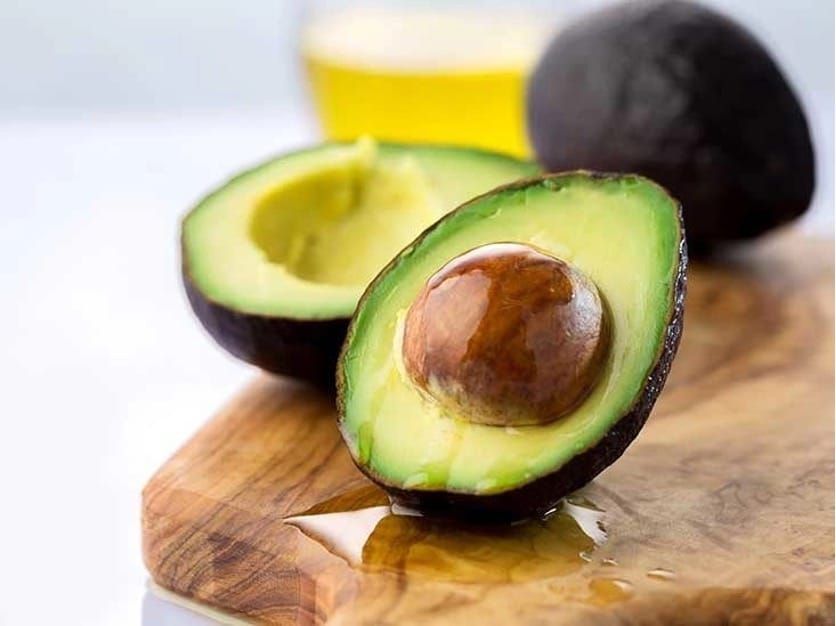
Many people misunderstand fats, but avocados prove that healthy fats can help you manage your weight better. This remarkable fruit stands out among clean foods because of its rich nutritional content.
Avocados nutritional benefits
, 14.7 grams of monounsaturated fat, and just 160 calories Half an avocado delivers 7 grams of fiber[12]. This nutrient-rich fruit provides essential micronutrients including potassium (21% DV), folate (41% DV), vitamin K (35% DV), vitamin E (28% DV), and vitamin C (22% DV) [20]. Each whole avocado contains less than 1.5 grams of sugar [12].
Avocados and weight loss
Studies show that avocados help with weight management in several ways. The combination of fiber and healthy fats helps you feel full longer, which reduces snacking [21]. A recent study revealed that women who ate an avocado daily lost more belly fat [22]. This deep abdominal fat usually relates to increased diabetes risk [22]. Avocados also help maintain steady blood sugar levels, which prevents the energy dips that lead to unhealthy food cravings [22].
Best ways to eat Avocados
You can add this weight-loss friendly food to your diet through these simple methods:
- Use mashed avocado instead of mayonnaise in tuna, chicken, or egg salads [11]
- Put it on toast with protein-rich foods like eggs or salmon [13]
- Mix into smoothies for extra creaminess and nutrients [11]
- Add slices to salads, soups, or grain bowls [20]
- Make creamy dressings with avocado instead of dairy-based options [11]
Nuts and Seeds
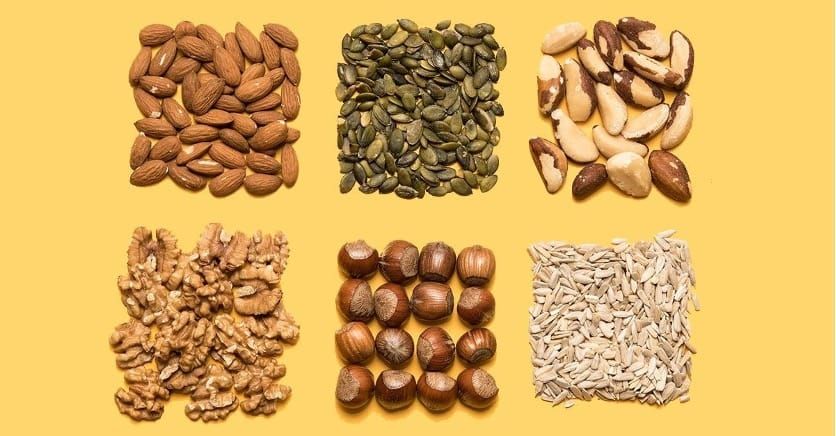
Nuts and seeds pack a powerful punch when it comes to weight management. These tiny powerhouses combine protein, fiber, and healthy fats in a unique way.
Nuts and Seeds nutritional benefits
These small packages deliver remarkable nutrition. A single ounce of most nuts contains , 1-3 grams of fiber, and 160-200 calories 3-7 grams of protein[23]. The fats they contain are mostly healthy unsaturated fats – monounsaturated in most nuts and polyunsaturated in walnuts [24]. Each ounce of almonds provides 45% of your daily vitamin E needs [2]. Flaxseeds and chia seeds beat walnuts with two to three times more ALA omega-3 fatty acids [23]. A tablespoon of chia seeds gives you 2 grams of protein, 4 grams of fiber, and 78 milligrams of calcium [23].
Nuts and Seeds and weight loss
In stark comparison to what many believe, nuts help manage weight when you eat them regularly. Research shows better metabolic health in people who include nuts in their diet [8]. Studies reveal that eating nuts reduces weight gain risk and leads to lower obesity rates [8]. This works through multiple ways: your body doesn’t absorb all the fat from nuts [24], and their mix of fiber, protein, and fat helps you feel full, which might lead to eating fewer calories overall [25]. Just two ounces of almonds contain over 7 grams of fiber [8], helping you stay satisfied longer.
Best ways to eat Nuts and Seeds
Here’s how you can add these nutrient-rich foods to your diet:
- Switch out junk food for a handful (about 30 grams) of mixed nuts [26]
- Top your oatmeal, yogurt, or salads with them [23]
- Add them to smoothies to boost protein and healthy fats
- Spread natural nut butter (without added sugar) on whole grain toast [27]
- Add seeds to soups, stews, or roasted vegetables
In spite of that, watching portions is vital—aim for about 30 grams (a small handful) each day [24].
Greek Yogurt
Greek yogurt comes from a special straining process that removes whey and lactose. This dairy product packs powerful nutrition and helps with weight management.
Greek Yogurt nutritional benefits
This rich, creamy dairy product delivers excellent nutrition in every bite. A typical 7-ounce serving provides approximately 20 grams of protein[28] and key micronutrients including vitamin B12 (43% DV), riboflavin (35% DV), and selenium (45% DV) [28]. Greek yogurt has less sugar than regular yogurt and provides about 18% of your daily calcium needs [28]. The straining process concentrates beneficial nutrients while removing whey, which creates its dense nutritional profile [29].
Greek Yogurt and weight loss
Greek yogurt’s high protein content makes it perfect for weight management. Studies show that people who eat yogurt regularly gain less weight and have lower rates of type 2 diabetes [30]. The protein helps trigger satiety hormones that keep you full longer [31]. Research suggests eating yogurt with fruit could improve weight loss results because fiber makes you feel fuller [30]. Greek yogurt’s fermented food structure also helps your body absorb nutrients better [30].
Best ways to eat Greek Yogurt
You can enjoy this versatile food in many ways:
- Mix with fresh berries and unsweetened coconut for a protein-packed breakfast [28]
- Swap mayonnaise for Greek yogurt in chicken, tuna, or egg salads [28]
- Add it instead of sour cream to baked potatoes or chili [28]
- Put it in smoothies to boost protein [32]
- Mix with herbs and spices for tasty dips [33]
Looking to level up your nutrition plan?
Get coaching by 6x Olympian IFBB Pro Sheronica Henton.
All Serviceswww.Theprofitposing.com/serviceAll Services